
The road and the van · United States
How to plan a literary road trip that works
Writers' houses keep short hours, sit far apart and rarely open on the day you pass. A little planning turns a scattered wish list into a route you will actually enjoy.
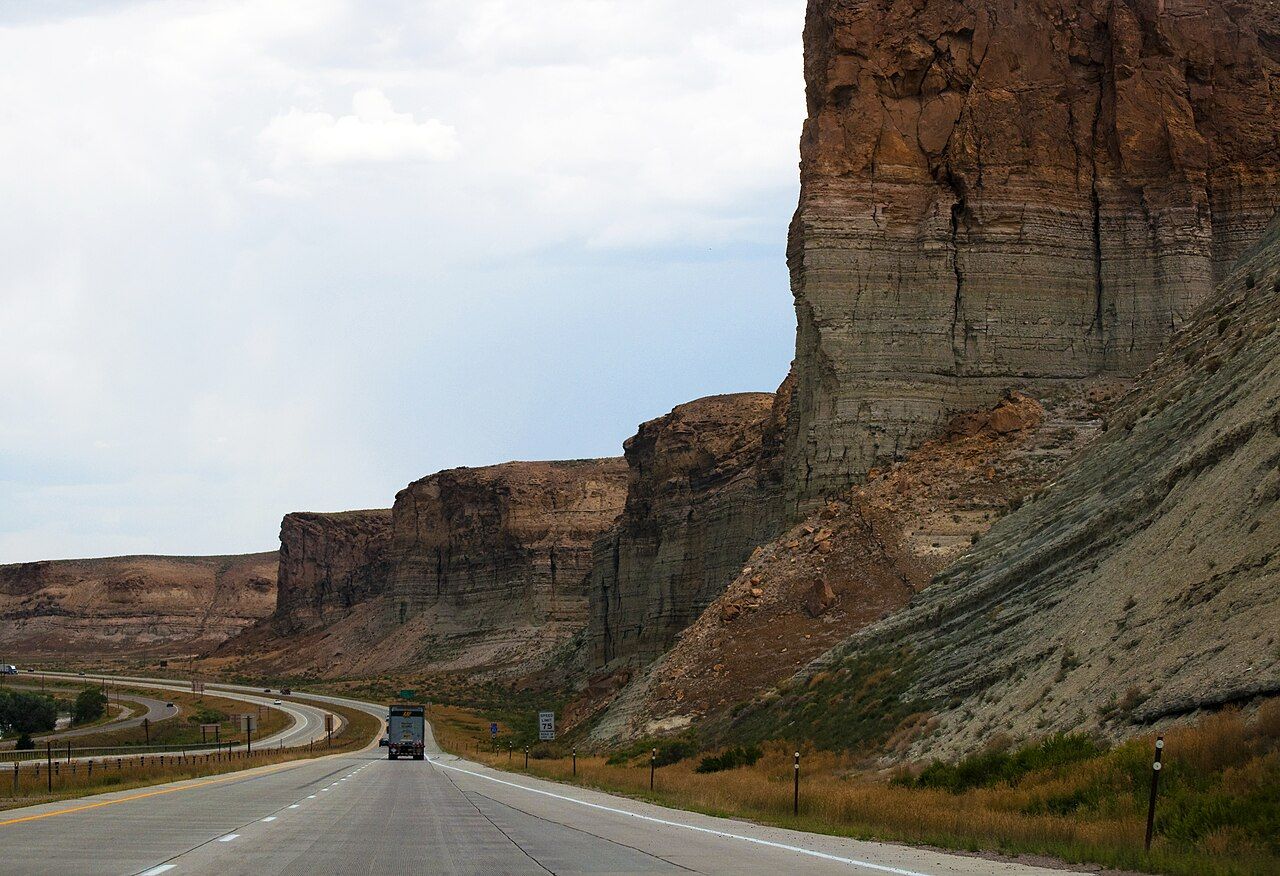
A literary road trip sounds simple: pick the writers you love, find their houses and drive. In practice the United States is big, the houses are often small, and many of them open only a few days a week for guided tours at set times. The difference between a good trip and a frustrating one is mostly in the planning.
This guide is a set of practical habits rather than a single route. Use it with the regional stories on this site, and build a trip that fits your time, your books and your car.
Group the stops by region
The most common mistake is trying to cover too much ground. Writers' houses cluster in a few regions, and each cluster makes a trip of its own.
- New England and New York: Concord and Walden Pond, Amherst, Hartford and New York City are all within a few hours of one another.
- The South: Oxford, Mississippi; Monroeville, Alabama; Savannah; and, for a longer drive, Key West.
- The Midwest: Hannibal on the Mississippi, Chicago and Willa Cather's Red Cloud on the Nebraska prairie.
- The West: the Salinas Valley and Monterey, San Francisco and, inland, Taos.
Pick one region for a week, or two neighbouring regions for a longer trip. Map the distances honestly, and remember that a two-hour drive plus a tour, a walk and a meal fills most of a day.
Check opening days before you book
House museums are not shops. Many are run by small non-profit groups, universities or the National Park Service, with limited staff and volunteers. They may close on Mondays or Tuesdays, open only in certain seasons, or require tours that must be reserved ahead.
Before you book a room, list each site with the days it opens, the tour times and whether reservations are needed. Then build your route around the most restrictive stops. If one house opens only on weekends, schedule the drive so you arrive on a Saturday.
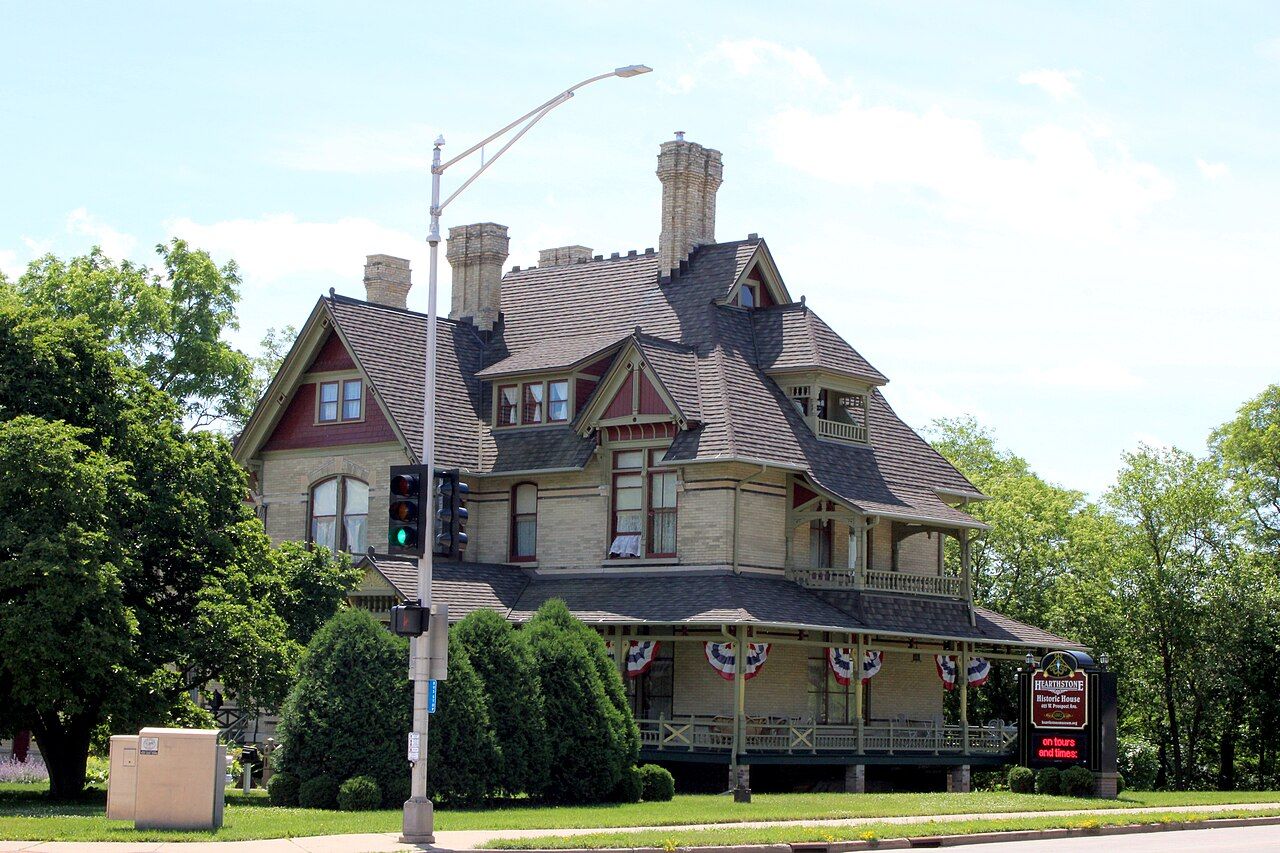
Tours inside historic houses tend to be small and guided, because rooms are fragile and furnished with original pieces. Photography rules vary; ask on arrival. Ticket prices change, so check them as well, and bring a card and some cash.
Give each house enough time. A guided tour usually lasts about an hour, and many sites also have a visitor centre, a garden or grounds worth walking. If you plan two houses in one day, make sure they are close together and that their tour times do not clash.
Shelved nearby · RD 126Books on the road: a short history of the bookmobileRead on the way
A literary road trip is better when you are reading the books as you go. Choose one book for each stop, ideally something set in the place you are visiting.
- For Hannibal: Mark Twain's The Adventures of Tom Sawyer or Life on the Mississippi.
- For Red Cloud: Willa Cather's My Ántonia.
- For Monterey and the Salinas Valley: John Steinbeck's Cannery Row or East of Eden.
- For Oxford: William Faulkner's The Sound and the Fury or his stories.
- For Amherst: a selection of Emily Dickinson's poems.
Audiobooks are an obvious choice for long drives. Paper books are better in the evenings and on the lawn of a house museum while you wait for the next tour. Read the book before you visit the house if you can; the rooms make far more sense when you know who lived and wrote in them.
Drive the roads the writers knew
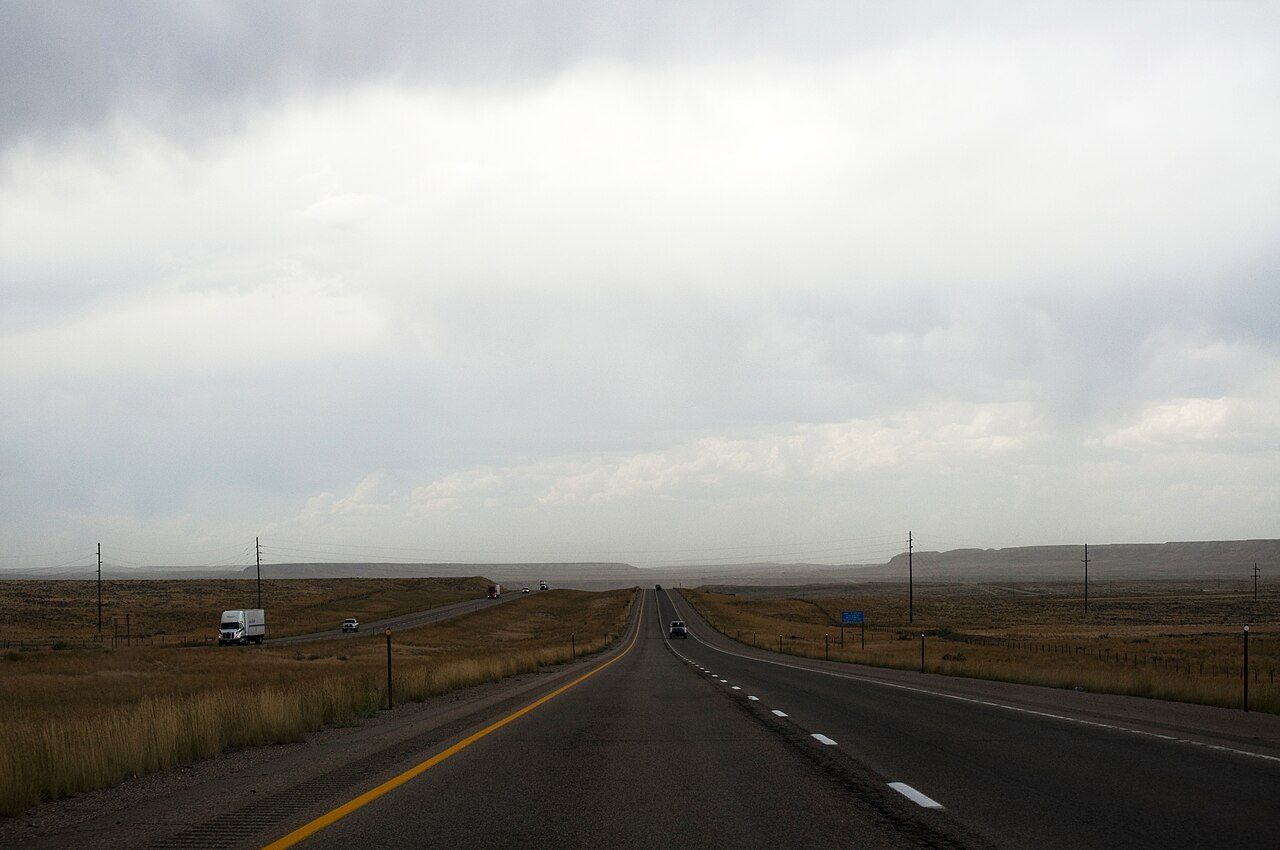
Interstates are fast, but the older routes often tell you more. US 281 runs past Willa Cather's prairie in Nebraska; the Great River Road follows the Mississippi through Twain country; Highway 1 takes you down the coast below Monterey that Steinbeck knew. Plan at least one slow road on every trip.
Steinbeck's Travels with Charley (1962) is the classic account of a writer crossing the country by road, and it is honest about the loneliness and the long miles as well as the pleasures. Jack Kerouac's On the Road (1957) is the wilder version.
Leave space in the schedule. Some of the best moments on a trip like this are unplanned: a county library with a local history room, a marker by the road, a small-town square that matches a scene in a novel. A working bookmobile at a rural stop is one of those.
Public libraries along the way are good company too. Many small-town libraries keep local history rooms with photographs, maps and newspapers, and librarians often know which local houses and graves are tied to writers. They are also quiet, free places to sit and read for an hour on a rainy afternoon.
Practical notes
- Spring and autumn are usually the best seasons: houses are open, gardens are at their best and summer crowds are thinner.
- Rural roads can be long between fuel stops; keep the tank above half.
- Download maps for areas with poor phone coverage, and carry a paper road atlas as a back-up.
- Many writers are buried near where they lived. Cemeteries are worth a quiet visit, but remember they are places of mourning first.
- Look out for book festivals on your dates; a festival weekend can anchor a trip.
A literary road trip does not have to be grand. One region, a handful of houses and a stack of the right books can make a week you remember for years.
Pictures on loan from
- CGP Grey CC BY 2.0
- Michael Barera CC BY-SA 4.0
- CGP Grey CC BY 2.0