
The South · Oxford, Mississippi
Faulkner's Oxford, Mississippi
William Faulkner turned a small north Mississippi town into Jefferson, seat of his invented Yoknapatawpha County. Walk from his house at Rowan Oak to the courthouse square and his grave.
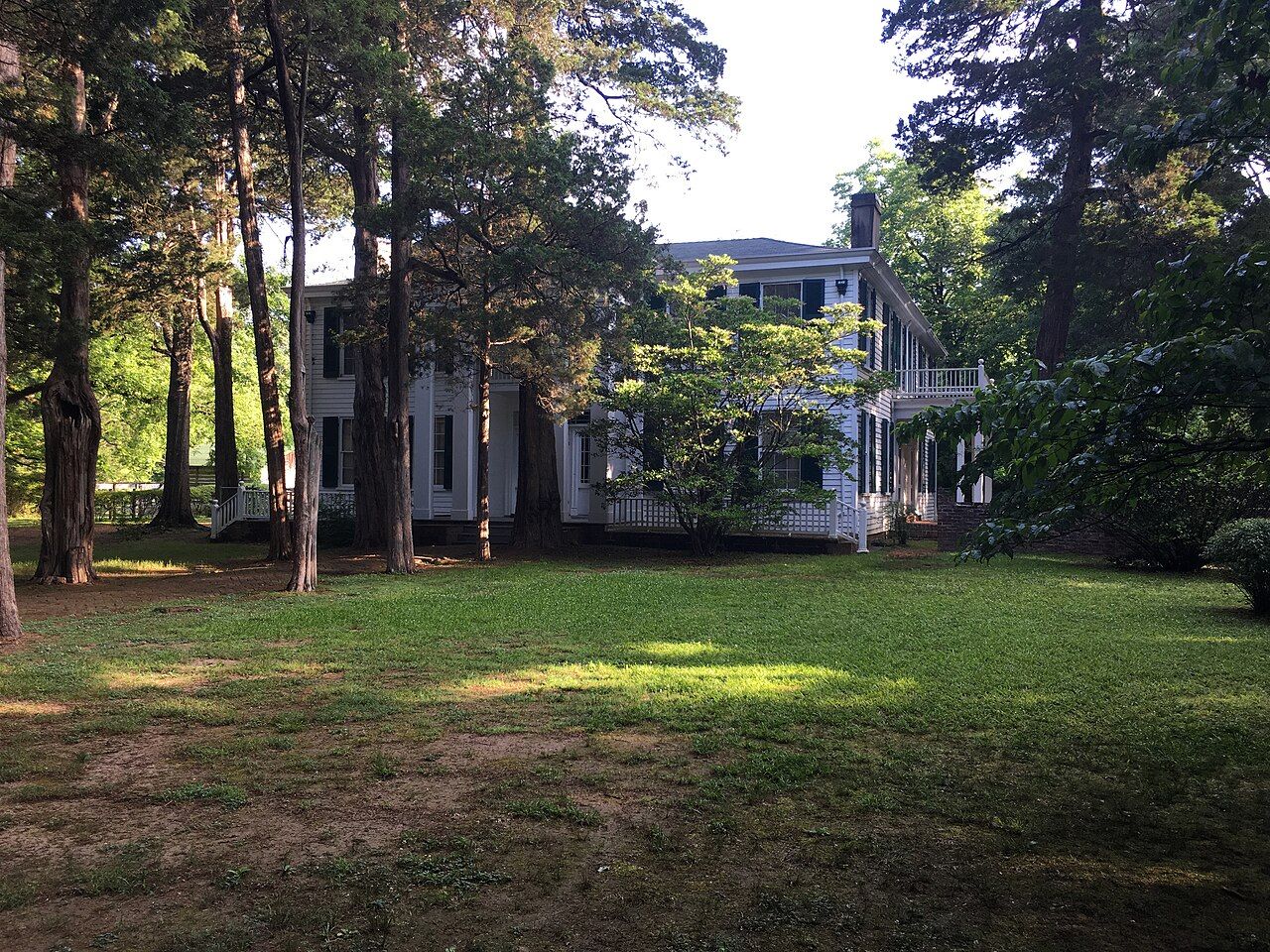
Oxford is a university town in the hills of north Mississippi, about an hour and a half southeast of Memphis. William Faulkner lived here for most of his life, and out of it he made Jefferson, the county seat of Yoknapatawpha County, the invented place where most of his novels and stories happen. The fit is not exact, and Faulkner never claimed it was, but the courthouse, the square, the cedars and the old houses are all here. A day in Oxford gives you the town; two give you time to read in it.
The town that became Jefferson
Faulkner was born in New Albany, Mississippi, in 1897, and his family moved to Oxford when he was a small boy. His great-grandfather, a colonel, lawyer, railroad builder and novelist, was already a local legend, and the family's past fed straight into the fiction. Faulkner left school early, served briefly in the Royal Air Force in Canada in 1918 and drifted between jobs in Oxford and elsewhere through the 1920s. Then, in a burst of work that began in 1929, came The Sound and the Fury, a short novel about a family carrying their mother's coffin to town, Light in August and, in 1936, his long novel of the Sutpen family and their plantation. He received the Nobel Prize in Literature for 1949.
The novels are about the South's history, and above all about slavery and its long aftermath, told from many points of view and often in difficult prose. Reading even one of them before you arrive changes what you see on the square.
Rowan Oak
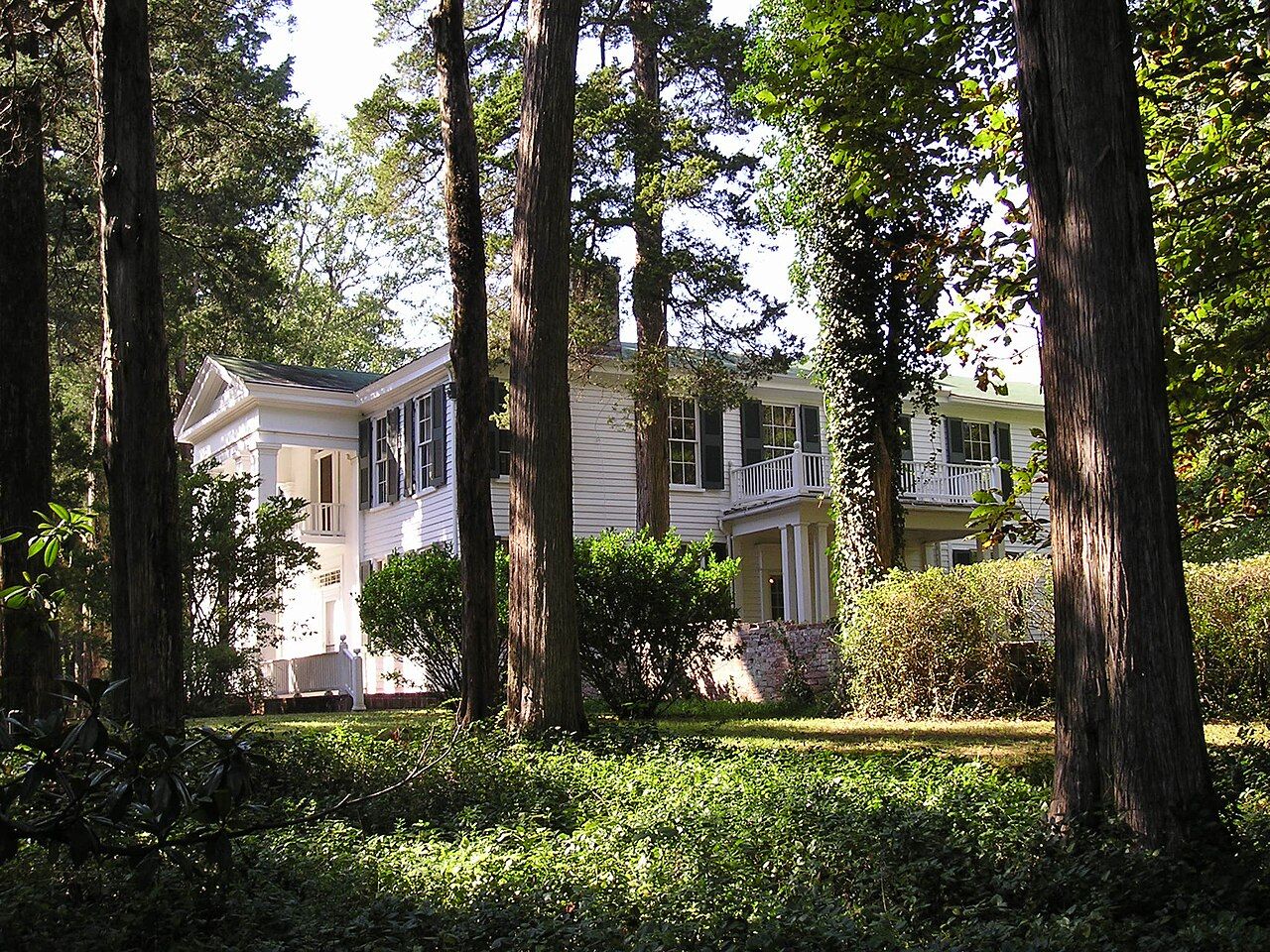
In 1930 Faulkner bought a run-down Greek Revival house on the south side of town, built in the 1840s, and renamed it Rowan Oak, after the rowan tree of Scottish legend, said to give protection. He did much of the repair work himself, and he lived and wrote here until his death in 1962. His daughter sold the house to the University of Mississippi in 1972, and the university keeps it much as he left it.
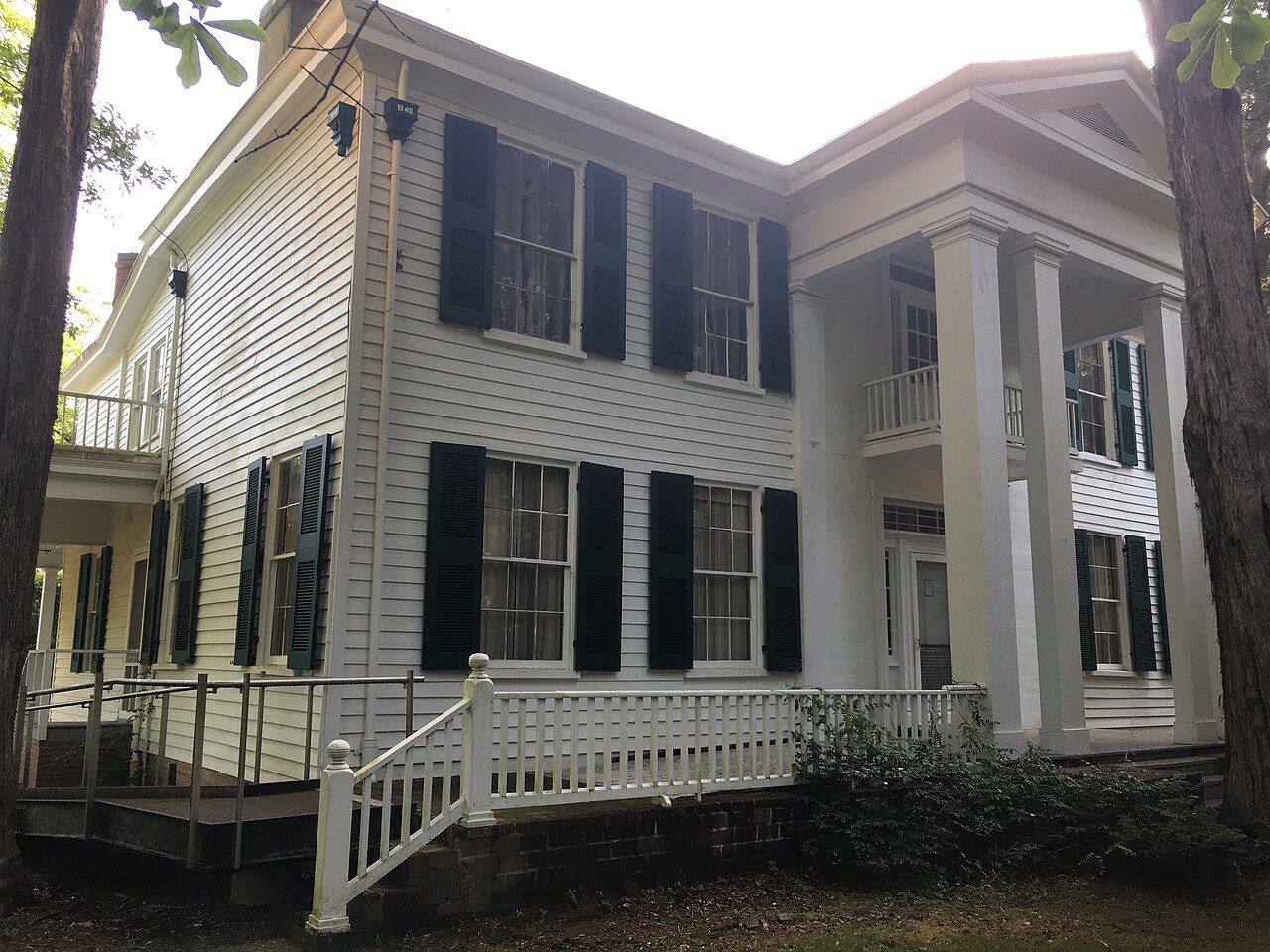
The rooms are plain and lived-in. The best-known detail is in the small study off the main hall: on its plaster walls Faulkner wrote, in pencil and red grease pencil, a day-by-day outline of his novel A Fable, so that he could see the whole plot at once. His typewriter sits on a small table by the window. Outside are the stable, the kitchen building and the smokehouse, and the long avenue of cedars leading up to the front porch.
Walk the grounds as well as the house. Faulkner kept horses in the stable and rode across his land and the woods beyond it; he rode and hunted all his life, and a fall from a horse in the summer of 1962 came only weeks before his death. The grounds are quiet, shaded and larger than they look from the drive, and the paths run on into Bailey's Woods.
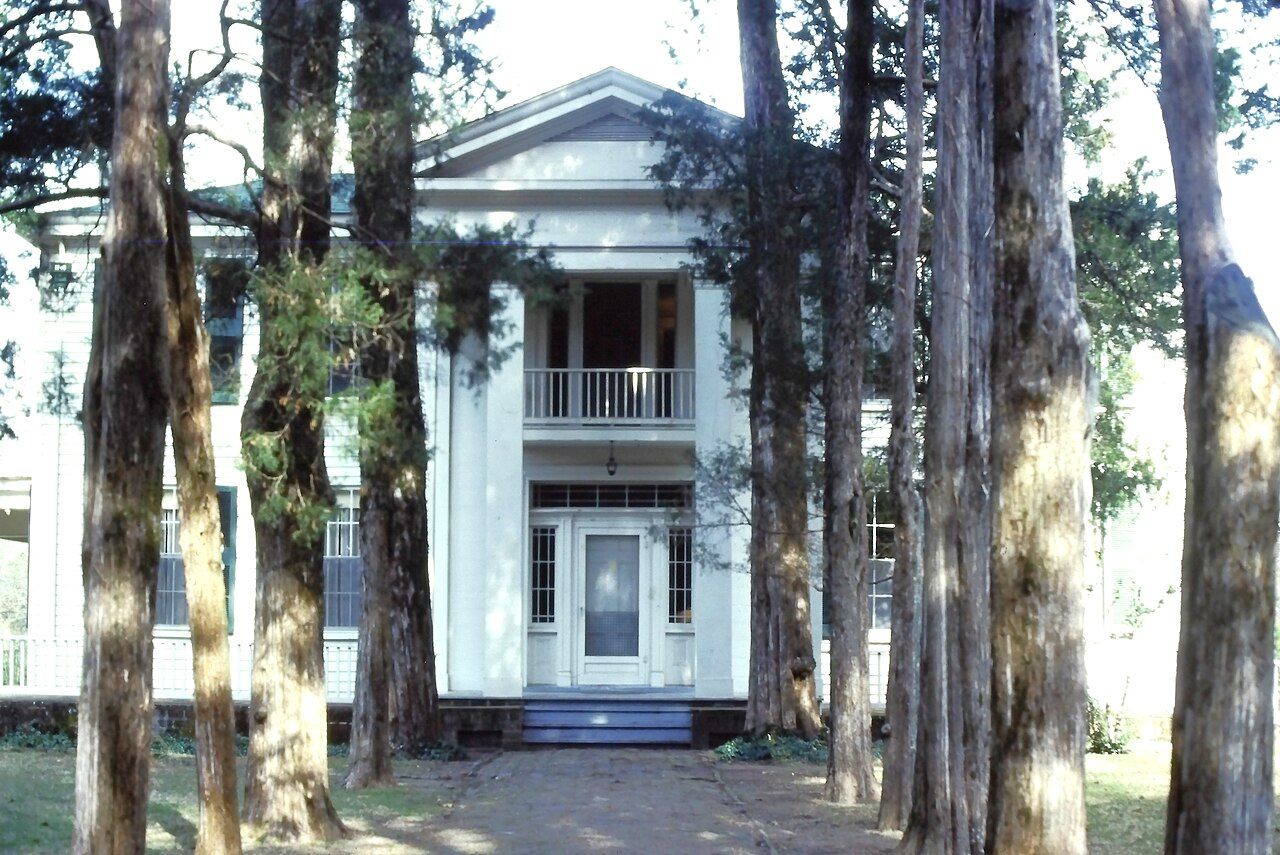
The house's history includes the people who worked in it. Caroline Barr, who was born into slavery and worked for the Faulkner family for decades, helped raise Faulkner and later his daughter, and she lived on the grounds at Rowan Oak until her death in 1940. Faulkner dedicated Go Down, Moses to her. The house's guides talk about her, and about the economy of slavery that built houses like this one, in plain terms.
The courthouse square
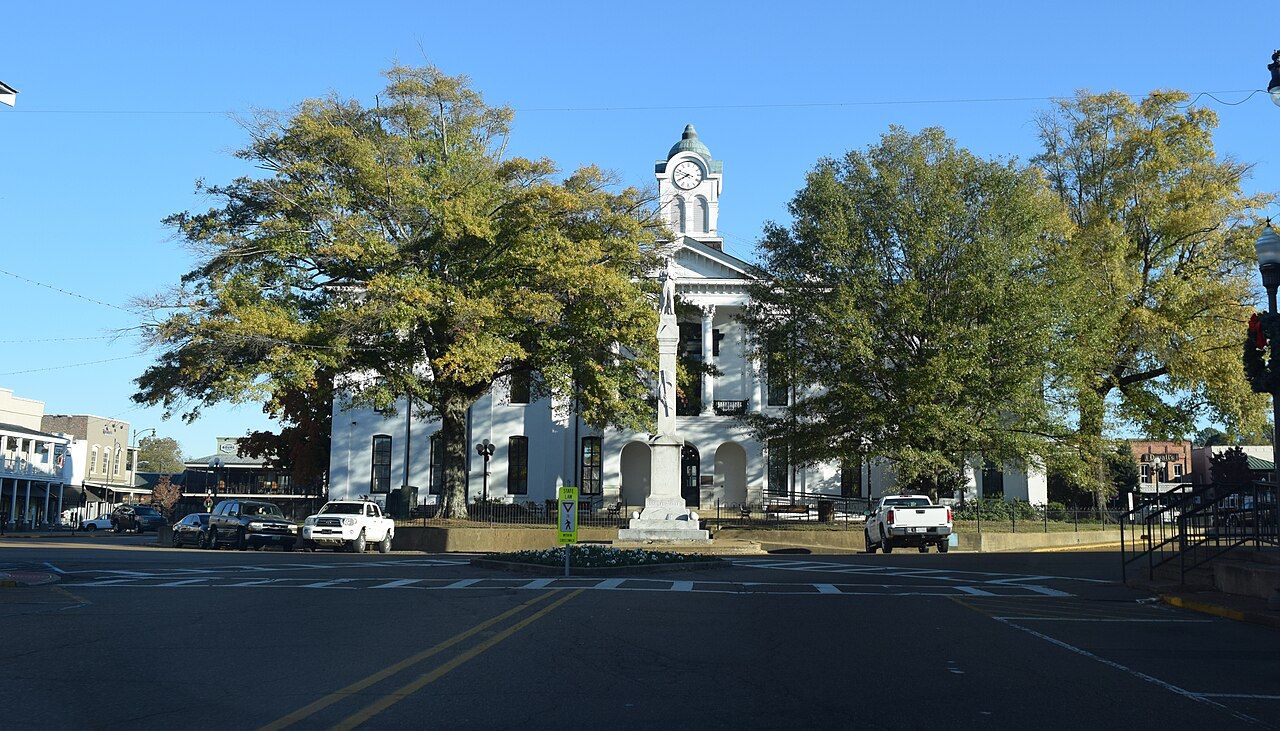
Walk or drive north into the centre of town and you reach the Square. The Lafayette County Courthouse stands in the middle, white, with a clock tower; Union troops burned the earlier courthouse and much of the town in August 1864, and this building went up in its place in the early 1870s. A Confederate soldier on a tall column stands in front of it. Faulkner put both courthouse and column at the centre of Jefferson, and The Sound and the Fury ends with a horse and wagon going the wrong way around that monument.
Shelved nearby · SO 042Key West's writers, at the end of US 1The Square today is lined with shops and restaurants in two-storey brick buildings with iron balconies, including a bookshop that has long been a fixture. Sit on a bench on the courthouse lawn and watch the traffic go round. The prologue to Requiem for a Nun tells the courthouse's invented history in long, rolling sentences, and it reads well in this spot.
The university
The University of Mississippi, known as Ole Miss, sits west of the Square. Faulkner enrolled briefly after the First World War and did not finish; in the early 1920s he was the campus postmaster, famous for reading the magazines instead of delivering them, until he resigned. He wrote that short coffin novel in a few weeks in 1929 while working nights at the university's power plant.
The Lyceum, the university's oldest building, opened with the university in 1848. In the autumn of 1962, a few months after Faulkner's death, a riot broke out on the campus when the first Black student was enrolled under federal protection; two people were killed, and federal troops were sent in. Marks from the gunfire can still be seen on the Lyceum's columns, and a civil rights monument nearby recalls the integration of the university. Bailey's Woods, a wooded trail of about half a mile, links the university museum on campus to the grounds of Rowan Oak, and it is the best way to walk between them.
St. Peter's Cemetery
Faulkner is buried in St. Peter's Cemetery, within walking distance of the Square. His grave is on a slope among family stones, and visitors leave coins, pens and small bottles of bourbon on it, a habit that the cemetery tolerates more than encourages. Several members of his family lie nearby. Go in the morning or evening, when it is cool and quiet.
Planning a visit
Spring and autumn are the times to come; summers are hot and humid, and the woods around Rowan Oak are full of mosquitoes. The university holds an academic conference on Faulkner and Yoknapatawpha, usually in July, and a book conference in spring; check dates, which change. Oxford fits well into a Southern route. Harper Lee's Monroeville is about a five-hour drive southeast, and Flannery O'Connor's Savannah is farther east. Heading north, the Mississippi leads you up toward Mark Twain's Hannibal. Our notes on how to plan a literary road trip help with the longer distances.
Reading even one of them before you arrive changes what you see on the square.
Pictures on loan from
- Fredlyfish4 CC BY-SA 4.0
- Fredlyfish4 CC BY-SA 4.0
- Bmzuckerman CC BY 4.0
- Fredlyfish4 CC BY-SA 4.0
- Wescbell CC BY-SA 3.0